In the Environmental Management class, we have been studying the water cycle and the water availabilty on Earth. For this task, we were asked to write a text including these topics and also to talk about and give our opinion about what happens with the water nowadays.
Water, a simple word that means so much. Water is the essential component of all life. Think of this, it is the main source of plants’ photosynthesis process in which they release oxygen, indispensable for any kind of life on earth and also the main source of the water cycle. Nowadays, water has become a real problem as many countries don’t have access to it. Besides, with the development of industries, water pollution is causing really bad diseases and conflicts around the world.
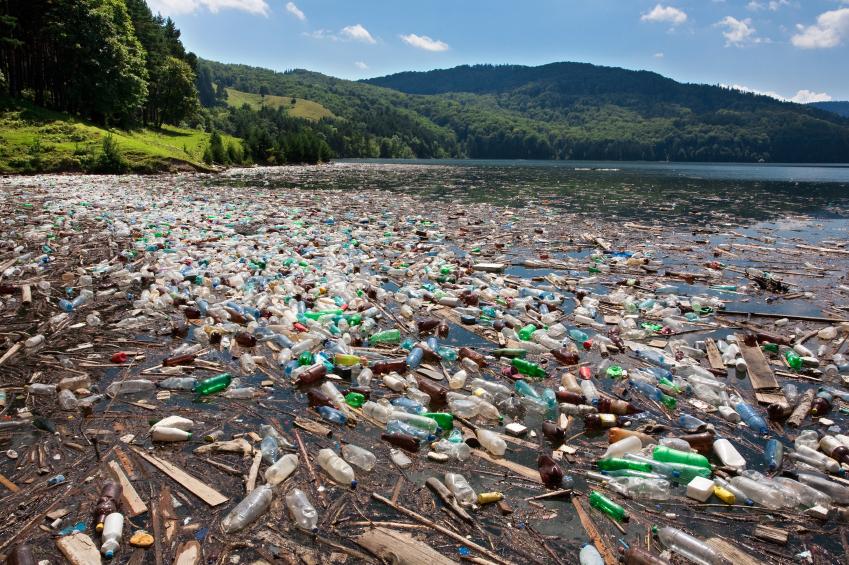 We all may think, why there are still water shortage problems on the earth when most of it is covered by water? The answer to that question is that it’s not as simply as that. That 97% water surface is salty water, which means we cannot consume it unless it goes through the process of desalination (which is really expensive). Only 3% of that 97% is the fresh water used by humans and the whole ecosystem, in fact of that 3% just 25.33% is the water we use. The remaining percentage (74.6%) is either in the atmosphere, in the form of ice or in the soil. The actual problem, is that we, humans, are wasting that 3% of fresh water. All the Industrial waste generated through the years is dumped into rivers, oceans, and other waterways, contaminating at the same time, all other water that is fit to be used. To this we add that as Earth's population continues to grow, and people are putting a lot of pressure on the planet's water resources. In the end, if we don’t start controlling our actions, this will lead to a worldwide water scarcity.
 The availability of water is one of the few things that is not caused by humans nor the society itself, but has to do with the distribution of precipitation. As we all know, on the one side, there are water- rich countries with plentiful fresh water supplies such as Canada, Brazil and Russia. In This countries, lack of water isn't a problem as they have large rivers that flow through them and also they are so huge that as a result they have plenty of territory for the rain to fall (despite the fact that the size of the territory, does not determine the reserve of water of a country since that same country can have a great dry area in which rains very little) And on the other side there are the water- poor countries such as Saudi Arabia, Lybia and Mauritius. In the case of Saudi Arabia and Lybia, this countries are dominated by deserts, so that's where the little amount of rainfall they receive in a year, comes from. In Mauritius, however, that’s not the case. This country, like many other, receives great amounts of precipitation but the problem is that the island is so little that the space where the rain falls is very small.
To conclude it's worth mentioning that it's actually hard to believe in this 21st century, where technology is so advanced, there is not solve yet the problem concerning water shortage in many countries. We constantly see in movies and documentaries how much the lack of water affects day after day to millions of people around the world. Although there has been improvements no solution capable of solving this world problem once and for all, has arisen yet. That people, who walk uncountable miles every day to get some water, are waiting for a miracle to happen, they are waiting for someone who brings them HOPE.

