En "Salud y Adolescencia" estuvimos trabajando las adicciones y el comienzo de la adolescencia que muchas veces es de la mano de estas sustancias. Por lo tanto, hicimos publicidades las cuales dan distintos mensajes. En este caso trabajamos con el arrepentimiento que se puede llegar a generar luego de ingerir, ya sea alcohol o drogas. Trabajé con Manuel Busquets, Emilia Hernan y Juana Bonnemezon.
Mostrando entradas con la etiqueta 2017. Mostrar todas las entradas
Mostrando entradas con la etiqueta 2017. Mostrar todas las entradas
viernes, 24 de noviembre de 2017
Arrepentimiento Seguro
En "Salud y Adolescencia" estuvimos trabajando las adicciones y el comienzo de la adolescencia que muchas veces es de la mano de estas sustancias. Por lo tanto, hicimos publicidades las cuales dan distintos mensajes. En este caso trabajamos con el arrepentimiento que se puede llegar a generar luego de ingerir, ya sea alcohol o drogas. Trabajé con Manuel Busquets, Emilia Hernan y Juana Bonnemezon.

domingo, 19 de noviembre de 2017
An original and creative Quarterly
Over these years in literature we have been reading and analyzing different poems and stories and the play " An Inspector Calls" written by J.B Priestley. For the literature quarterly and to integrate all these contents, we were asked to choose five stories and poems and "An Inspector Calls" and to follow the next steps:
Play
I worked with Nazarena Ballesteros and Juana Bonnemezón.

- First we should look after all the themes of the play and each story and poem
- For each theme we should think about a thematic statement. What is THEMATIC STATEMENT? It is a sentence that express a theme.
- Then we should found a suitable quotation that support the thematic statement and explain how that quote supports the thematic statement.
- Finally we should present all this in a creative presentation. We decided to do it in piktochart.
List of poems we have read. Those in red are the ones we chose.
- The Clod and the Pebble (William Blake)
- Song (Lady Mary Wroth)
- Passion (Kathleen Rain)
- Love (III) (George Herbert)
- Lovers’ Infiniteness (John Donne)
- ‘She was a Phantom of Delight’ (William Wordsworth)
- Tiger in the Menagerie (Emma Jones)
- Lion heart (Amanda Chong)
- Heart and Mind (Edith Sitwell)
- For My Grandmother Knitting (Liz Lochhead)
- Father Returning Home (Dilip Chitre)
- The Lost Woman… (Patricia Beer)
- Stabat Mater (Sam Hunt)
- Coming Home (Owen Sheers)
List of Stories we have read. Those in blue are the ones we chose.
- Ming's Biggest Prey (Patricia Highsmith)
- Sredni Vashtar (Hector Hugh Munro)
- The Prison (Bernard Malamud)
- Billennium (J. G. Ballard)
- The People Before (Maurice Shadbolt)
- The Phoenix ( Sylvia Townsend Warner)
- Tyres (Adam Thorpe)
- Games at Twilight (Anita Desai)
- Of white Hairs and Cricket ( Rohinton Mistry)
- To Da-duh, in Memoriam (Paule Marshall)
Play
- An Inspector Calls (J.B Priestley)
I worked with Nazarena Ballesteros and Juana Bonnemezón.
Loading...
martes, 12 de septiembre de 2017
Entendiendo al Sistema Urinario
Para esta actividad, debíamos realizar una publicación acerca de la producción de la orina en el nefrón, y luego colocar un video que explique este proceso.
La orina es un liquido amarillento que contiene un 96% de agua y un 4% de sólidos disueltos. Igualmente, su composición puede cambiar según la alimentación ,el estado de salud y la cantidad de líquidos ingeridos según ingiera la persona. Estos cambios pueden ser: un cambio en su coloración. La sustancias que se eliminan en la orina son: sales, urea y creatinina. Un indicio de desequilibrio se puede dar por la presencia de sustancias como: glucosa, aminoácidos, pigmentos biliares y en algunos casos, las células sanguíneas.
La sangre que llega a los riñones es transportada por la arteria renal. Una vez en el interior de estos órganos, se ramifica en múltiples vasos cada vez mas finos. Cada riñón esta constituido por alrededor de un millón de túbulos enrollados que forman unidades funcionales. Estas unidades son llamadas refrones o refronas. Es responsable de la purificación de la sangre. Además, filtra la sangre para regular el agua y las sustancias solubles (agua, aminoácidos y glucosa), reabsorbiendo lo que es necesario y excretando el resto como orina. Está situada principalmente en la corteza renal.
A partir de la sangre que llega hasta los nefrones se produce en ellos el proceso de formación de la orina, que se da en tres etapas: filtración, secreción tubular, reabsorción tubular y excreación
Filtración: la sangre llega al glomérulo, donde los solutos disueltos en el plasma atraviesan los capilares. El glomérulo, por lo tanto, actúa como una especia de colador que filtra los residuos metabólicos (principalmente la urea) y nutrientes de pequeño tamaño como la glucosa y los aminoácidos. Después de filtrada la sangre, los solutos ingresan a la cápsula de Bowman. Por lo tanto, el líquido contenido en esta capsula contiene sustancias de desecho y moléculas útiles para el organismo. A este líquido se le denomina como filtrado glomerular.
Secreción: Gran parte de las sustancias de desecho son eliminadas durante la filtración, desde el plasma sanguíneo hacia el espacio urinífero. Sin embargo, a lo largo del túbulo renal se produce el transporte de sustancias de desecho, desde los capilares tubulares hacia el lumen del túbulo.
Excreción de la orina: El líquido de los túbulos llega al tubo recolector, en donde aún se puede reabsorber agua. En este lugar el líquido puede recibir el nombre de orina. Los tubos colectores desembocan en los cálices renales, de allí en la pelvis renal, uréteres y vejiga urinaria donde se almacena la orina hasta que se produce el reflejo de orinar, momento en que la orina es expulsada por la uretra hacia el exterior.
La orina es un liquido amarillento que contiene un 96% de agua y un 4% de sólidos disueltos. Igualmente, su composición puede cambiar según la alimentación ,el estado de salud y la cantidad de líquidos ingeridos según ingiera la persona. Estos cambios pueden ser: un cambio en su coloración. La sustancias que se eliminan en la orina son: sales, urea y creatinina. Un indicio de desequilibrio se puede dar por la presencia de sustancias como: glucosa, aminoácidos, pigmentos biliares y en algunos casos, las células sanguíneas.
 |
| Nefrón |
A partir de la sangre que llega hasta los nefrones se produce en ellos el proceso de formación de la orina, que se da en tres etapas: filtración, secreción tubular, reabsorción tubular y excreación
Filtración: la sangre llega al glomérulo, donde los solutos disueltos en el plasma atraviesan los capilares. El glomérulo, por lo tanto, actúa como una especia de colador que filtra los residuos metabólicos (principalmente la urea) y nutrientes de pequeño tamaño como la glucosa y los aminoácidos. Después de filtrada la sangre, los solutos ingresan a la cápsula de Bowman. Por lo tanto, el líquido contenido en esta capsula contiene sustancias de desecho y moléculas útiles para el organismo. A este líquido se le denomina como filtrado glomerular.
Reabsorción: El agua, las sales y otros solutos que habian sido filtrados inicialmente ocurre casi de manera simultanea con la secreción. La reabosrción de gran parte de estas sustancias se realiza por transporte activo
Excreción de la orina: El líquido de los túbulos llega al tubo recolector, en donde aún se puede reabsorber agua. En este lugar el líquido puede recibir el nombre de orina. Los tubos colectores desembocan en los cálices renales, de allí en la pelvis renal, uréteres y vejiga urinaria donde se almacena la orina hasta que se produce el reflejo de orinar, momento en que la orina es expulsada por la uretra hacia el exterior.
lunes, 10 de julio de 2017
An innovative activity
In the Language class with Andrea Schejter, we have begun seeing "How to get away with murder", and we realized that there were plenty of interesting sounds effects. We were asked to make creative presentation using the sound effects in differentes scenes. I worked with Manuel Busquets, Emilia Hernan and Juana Bonnemezón.
 W: Bye doc...[Sneeze] (Her nose starts to bleed)
D: [Gasping] Oh, you are bleeding!

Made with Storyboard That
Situation: A woman is at the doctor`s, she is extremely ill and she believes she has little time left…
Scene 1 (In the office)
Woman- Please, tell me the truth (she sobs sadly) Am I going to die?
Doctor- No ma’ am, Although your diagnosis is not the best one, you are going to be safe and sound, after the treatment.
W- You are a really bad liar (slurds angrily)
D- [clears throat] Miss please calm down. I am just telling you the truth.
W- Ok ( she sighs). But please tell me what the treatment consists of.
D- It is my job to speak always with the truth to my patients.. I will call my colleague to come and tell you.
W- (sniffling) Ok, I will wait for him.
Scene 2 (In the corridor)
2nd Doctor: Hello Miss, I had been notified about the situation you are going through. (coughs) We three know how hard this situation is forf you, but I promise that with the correct treatment you will overcome it. I am sure of that (smiling)
W: [yawning] Thank you my dear. I hope everything goes well. I will take a nap.
D: Thank you for trusting us, we are going to do everything that is on our power.
 W: Bye doc...[Sneeze] (Her nose starts to bleed)
D: [Gasping] Oh, you are bleeding!
W: (She starts convulsing and dies )
People: [indistinct shouting]
Scene 3: (In the office)
Doctor 1: Have... you done your... job? (Intriguing look)
Doctor 2: Yes, let’s talk about the important thing. (serious)
Doctor 1: Have you given her the pill?
D2: Of course my friend! Keep calm and relax, everything is done, the woman won't bother us any more ( Maleficent laughter).
D1: Let's celebrate then!
People on the corridor: (clapping hands)
Scene 4: in the corridor The setting of the scene.
The doctors go out of the corridor
People: (clapping hands, cheering, laughing, yelling, indistinct chatting)
Director: CUT!
Director: Good job my team, let's set the last scene of the movie. Doctors ready?

Made with Storyboard That
sábado, 8 de julio de 2017
Essential for life
In the Environmental Management class, we have been studying the water cycle and the water availabilty on Earth. For this task, we were asked to write a text including these topics and also to talk about and give our opinion about what happens with the water nowadays.
Water, a simple word that means so much. Water is the essential component of all life. Think of this, it is the main source of plants’ photosynthesis process in which they release oxygen, indispensable for any kind of life on earth and also the main source of the water cycle. Nowadays, water has become a real problem as many countries don’t have access to it. Besides, with the development of industries, water pollution is causing really bad diseases and conflicts around the world.
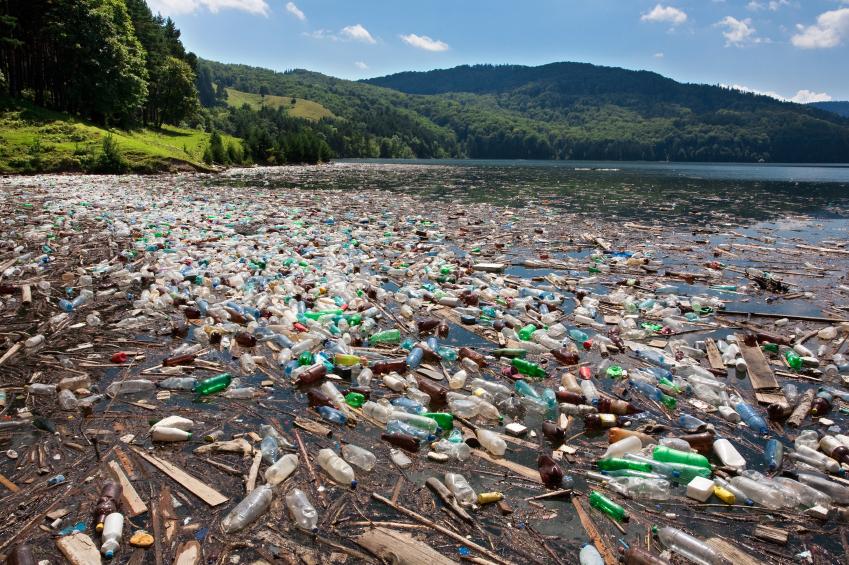 We all may think, why there are still water shortage problems on the earth when most of it is covered by water? The answer to that question is that it’s not as simply as that. That 97% water surface is salty water, which means we cannot consume it unless it goes through the process of desalination (which is really expensive). Only 3% of that 97% is the fresh water used by humans and the whole ecosystem, in fact of that 3% just 25.33% is the water we use. The remaining percentage (74.6%) is either in the atmosphere, in the form of ice or in the soil. The actual problem, is that we, humans, are wasting that 3% of fresh water. All the Industrial waste generated through the years is dumped into rivers, oceans, and other waterways, contaminating at the same time, all other water that is fit to be used. To this we add that as Earth's population continues to grow, and people are putting a lot of pressure on the planet's water resources. In the end, if we don’t start controlling our actions, this will lead to a worldwide water scarcity.
 The availability of water is one of the few things that is not caused by humans nor the society itself, but has to do with the distribution of precipitation. As we all know, on the one side, there are water- rich countries with plentiful fresh water supplies such as Canada, Brazil and Russia. In This countries, lack of water isn't a problem as they have large rivers that flow through them and also they are so huge that as a result they have plenty of territory for the rain to fall (despite the fact that the size of the territory, does not determine the reserve of water of a country since that same country can have a great dry area in which rains very little) And on the other side there are the water- poor countries such as Saudi Arabia, Lybia and Mauritius. In the case of Saudi Arabia and Lybia, this countries are dominated by deserts, so that's where the little amount of rainfall they receive in a year, comes from. In Mauritius, however, that’s not the case. This country, like many other, receives great amounts of precipitation but the problem is that the island is so little that the space where the rain falls is very small.
To conclude it's worth mentioning that it's actually hard to believe in this 21st century, where technology is so advanced, there is not solve yet the problem concerning water shortage in many countries. We constantly see in movies and documentaries how much the lack of water affects day after day to millions of people around the world. Although there has been improvements no solution capable of solving this world problem once and for all, has arisen yet. That people, who walk uncountable miles every day to get some water, are waiting for a miracle to happen, they are waiting for someone who brings them HOPE.
jueves, 1 de junio de 2017
Época Napoleónica
En la clase de Historia, debíamos realizar una presentación acerca de las etapas y lo sucedido en la Época Napoleónica. Trabaje con Juana Bonnemezón en Prezi.
lunes, 29 de mayo de 2017
Hurricane Patricia: the second-most intense tropical cyclone
For Environmental Management we had to read about a tropical cyclone and make a summary including when and where it happened, its category and effects. I choose to talk about Hurricane Patricia which took place in October 2015.
Hurricane Patricia was the second-most intense tropical cyclone on record worldwide in terms of 1-minute maximum sustained winds, and the strongest hurricane ever recorded in the western hemisphere, winds were of 266 km/h and 345 km/h, reaching on October 23 its record peak intensity . Due to its intensity, it was classified as a Category 5 on the Saffir- Simpson Hurricane Wind Scale. Patricia was formed on October 20, 2015 because of a perturbation near the Gulf of Tehuantepec, south of Mexico, and it was dissipated on October 24, 2015. This hurricane mostly affected Mexico's Pacific coastline Playa Perula in the state of Jalisco, where approximately 400,000 people live there, since it made landfall on a Friday around 6:15 p.m. in that area. As the areas affected were mostly rural, the damages didn’t cost any life despite its intensity, but of course there was severe infrastructure damage, multiple homes were harmed, telephones lines were interrupted, banana and papaya crop were destroyed and mud and landslides closed several roads. The total losses were valued around 5.4 billion pesos.
Hurricane Patricia was followed by intense flooding rains that not only extended to southeastern Mexico, but it also affected southern Texas (United States) and Central America. In Central America, hundreds of thousands of people were directly affected by the storm; mainly in Guatemala, El Salvador, Nicaragua and Honduras. In Guatemala 2,100 people required evacuation and one person was killed in the Alta Verapaz Department. As happened in Mexico, lots of hectares of crops were damaged and 223,000 people were affected. In El Salvador there were floods that reached 185mm of rainfall and four people were killed. In Nicaragua, a landslide buried four miners in Bonanza and only one died while the others were rescued. Finally, in Honduras, water levels of The Ulúa River increased and 200 people were evacuated.
Areas of Quintana Roo and Veracruz (Mexico) had also been affected badly by heavy rainfall and floods. In Quinatana Roo floods reached 502mm, it affected 1,500 and 150 people ended looking for refuge in public shelters. The damage was valued at 1.4 billion pesos. In Veracruz more than 24 inches of rain caused water levels of rivers to increase.
In Southern Texas there was also heavy rain that produced severe floods. Although cars were flooded and a train derailed there weren’t any deaths. There was also a brief tornado in the city that didn’t cause much damage. Roads ended up inundated and 500 homes were affected. Damage was estimated at $50 million.
To conclude it’s not worth mentioning that for Mexico’s government the damage was nothing
like what they were expecting. This is because Hurricane Patricia hit rural areas where people are found very distributed in space.
 |
| Boys playing in the receding floodwaters two days after the passage of Hurricane Patricia in Jalisco, Mexico |
lunes, 15 de mayo de 2017
Writing a Radio Play
In the Language Class with Andrea Schejter we were asked to write a script based on the story we had read in class "Fire" by Ivan Southall. To do something interesting and different we had a to write the script but as a Radio Play. In it we had to include sound effects, use Simple past, Past Continuous and Past Perfect, use sequence connectors and a wide range of vocabulary. Finally we had to create an ending for the story. Before writing, we made a pre-writing which includes taking down notes about sound effects and visual imagery mention in the story. I worked with Juana Bonnemezón.
Fire
It was early in the morning, Graham had woken up to boil water to make some tea. Wallace also woke up by the noises his friend was making.
- Sorry friend for the noise, I didn't mean to wake you up.
- No problem Graham, all in all I couldn't sleep due to the cold and the creepy noises of the woods.
[howlings]
-You see bro?
-Wow!
Graham was astonished
[Explosion sound]
- Oh my God! What have we done?
[Crackling Sound]
-We have to wake Henry up immediately before everything becomes a shower of flames.
The fire was gaining space extremely qickly and Henry was still asleep.
[indistintic shouts]
-Let's grab our things right now!
-Henry wake up!
[Roaring sound]
-We are responsible for fierce fire. The flammable methylated spirits we were using to boil water have burst!
-Come on Henry, please wake up or you are going to burn into flames!
Last of all Henry woke up,lost, he thought he was sleeping at home. The boys were hopeless and unattended, they were sorrounded by the red glow.
[sirens wailing]
-Firemen are coming! We are totally screwed up!
-Don't be silly Henry, they won't find us if we hide.
[Graham sobbing]
After some minutes firemen managed to put out the fierce fire. Policemen and ambulances found the boys behind the bushes.
-Nothing is going to happen to you. We are here to protect you...
 |
| Firefighters putting out the fire caused by the boys. |
 |
| Camping Place of Graham, Wallace and Henry |
martes, 2 de mayo de 2017
Not a normal activity
In the Language Class with Andrea Schejter, we have been watching the series "How to Get Away with Murder" created by Pete Nowalk and produced by Shonda Rhimes. In this activity what we were asked to do was select any Episode we had seen in class and present what had happened in it in an interesting way. We chose to work on Eepisode 2 Season 1 in which Annalise, the main character who is a lawyer, is defending a man who is accused of murdering his wife. I worked with Juana Bonnemezón in GoConqr.
Flowchart created by Juana Bonnemezon with GoConqr
lunes, 1 de mayo de 2017
Aprendiendo sobre los organismos...
En la clase de Biología tuvimos que organizar un cuadro comparativo acerca de la nutrición en distintos tipo de seres vivos. Trabaje junto con Juana Bonnemezón.
Cuadro
Cuadro
martes, 11 de abril de 2017
Una actividad innovadora
En la clase de literatura, leímos un capítulo del libro "El arte de la ficción", de David Lodge, el cual habla sobre los diferentes cambios temporales. Luego, de leerlo y analizarlo la profesora nos propuso una actividad en la que nosotros debíamos suponer trabajar en una empresa líder en desarrollos digitales que está presentando su nuevo producto "App to Time", una aplicación que transforma narraciones lineales en otras reorganizadas a partir de diferentes estrategias de alteración temporal. Como encargados de departamento de marketing debíamos desarrollar una campaña para vender ese producto.

La experiencia me pareció muy cautivadora y entretenida ya que estuvo bueno poder demostrar nuestra interpretación y comprensión del texto de una manera no tan formal y estructurada. De nuestro trabajo puedo destacar el nombre "App to Time" ,ya que me parece original, y los símbolos que representan cada alteración temporal,
Trabaje con Juana Bonnemezón y Emilia Hernan en la aplicación para realizar infografias, Piktochart.
Loading...
domingo, 26 de marzo de 2017
Opiniones Enfrentadas
 |
| Estructura de los virus |
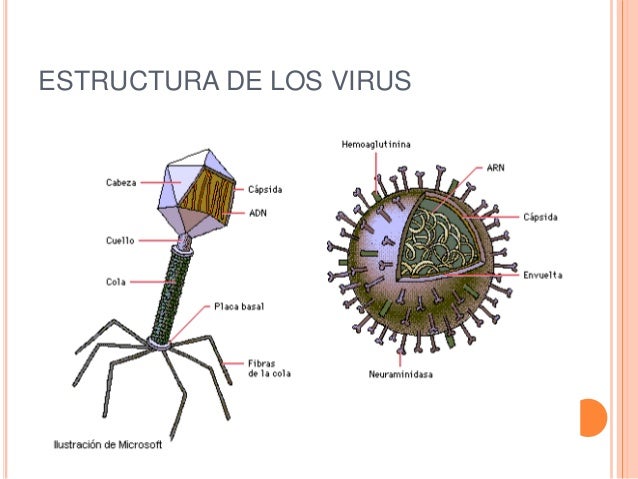
Comencemos con esta simple pregunta, ¿qué es un virus? Muchos saben lo que es y lo que causa, pero, ¿saben cómo definirlo? Virus es una palabra de origen latino la cual significa veneno o toxina. Se trata de partículas infecciosas, complejo de partículas moleculares con apariencia inerte, absolutamente incapaces de multiplicarse a menos que se encuentre en el interior de una célula viva. Está formado por una cápside (estructura proteica formada por una serie de monómeros llamados capsómeros) y de proteínas que envuelven al ácido nucleico (ADN o ARN). Esta estructura, por su parte, puede estar rodeada por la envoltura vírica (una capa lipídica con diferentes proteínas). Los virus se encuentran en el nivel molecular, ya que no poseen todas las características de un organismo vivos, y a su vez se definen como complejos macromoleculares ya que están encapsulados por un velo proteico que envuelve el ácido nucleico y una capa lipídica con diferentes proteínas.
 |
| Virus atacando a una célula |
entendimos cómo es un virus y que efecto tiene en el organismo. El debate comienza en ¿Es un virus un ser vivo o no? Esta pregunta tiene a biólogos y científicos enfrentados. Científicamente poseen algunos de los rasgos esenciales de toda forma de vida, pero no otros. Los que consideran que no es un ser vivo sostienen que no cumplen con las capacidades que este posee: no se relacionan con el medio en el que viven y no son capaces ni de nutrirse ni de reproducirse, todo lo contrario,para reproducirse tiene que, obligatoriamente, intervenir una célula hasta destruirla.
Por otro lado están los que
consideran al virus como un ser vivo. Recientemente, una investigación realizado
por el equipo de Gustavo Caetano-Anollés y Arshan Nasir, de la Universidad de
Illinois en Urbana-Champaign, Estados Unidos analizo la hipótesis de que de que
los virus son seres vivientes que comparten una larga historia evolutiva
con las células. El estudio se basó en realizar un seguimiento de la evolución vírica
hasta la época en que ni los virus ni las células existían en las formas que
hoy en día se reconocen. Dada a toda la investigación realizada, los
investigadores Gustavo Caetano-Anollés y Arshan Nasir llegaron a la conclusión de
que los virus representan una forma de vida diferente a la de otros organismos.
Coincidieron en la idea de que no solo los virus requieren de las células para
poder reproducirse ,y así vivir, sino que muchos otros organismos
(considerados seres vivos) requieren a su vez de
otros organismos para subsistir, por ejemplo bacterias que viven dentro de las
células, y hongos que se dedican a las relaciones parasitarias obligadas. Además de todo este análisis, también se descubrió que los virus evolucionan. Existe un teoría denominada "Teoría de la coevolución" que describe que los virus podrían haber coevolucionado de complejas moléculas de proteínas y ácido nucleico al mismo tiempo que comenzaron a aparecer las primeras células en la Tierra. Esto quiere decir que los virus y las células estuvieron conviviendo por millones de años, y a su vez el virus estuvo reproduciéndose a partir de ellas por el mismo tiempo.
Personalmente, opino que los virus son seres vivos ya que son capaces de evolucionar como todos los organismos vivientes. Para concluir cabe destacar que no hay teorías erróneas ni correctas acerca de como clasificar a los virus. Hasta el día de hoy las teorías que giran en torno a ellos son esas, pero, esperemos que en un futuro se pueda descubrir donde realmente pertenecen.
Personalmente, opino que los virus son seres vivos ya que son capaces de evolucionar como todos los organismos vivientes. Para concluir cabe destacar que no hay teorías erróneas ni correctas acerca de como clasificar a los virus. Hasta el día de hoy las teorías que giran en torno a ellos son esas, pero, esperemos que en un futuro se pueda descubrir donde realmente pertenecen.
Suscribirse a:
Entradas (Atom)